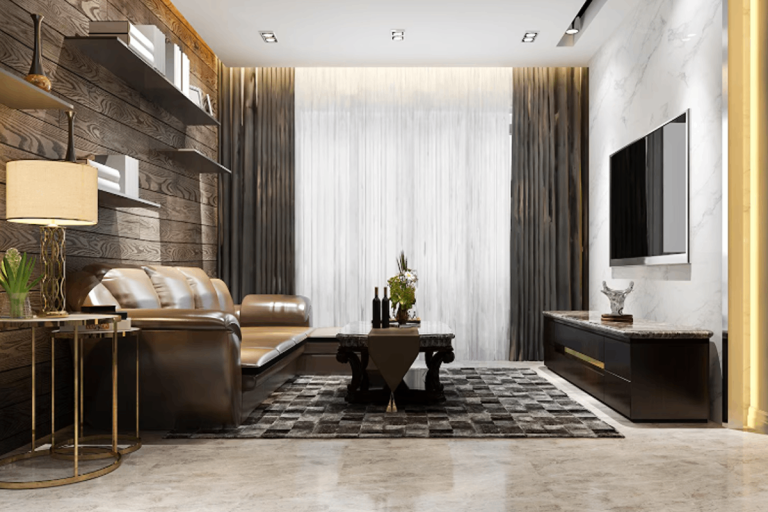
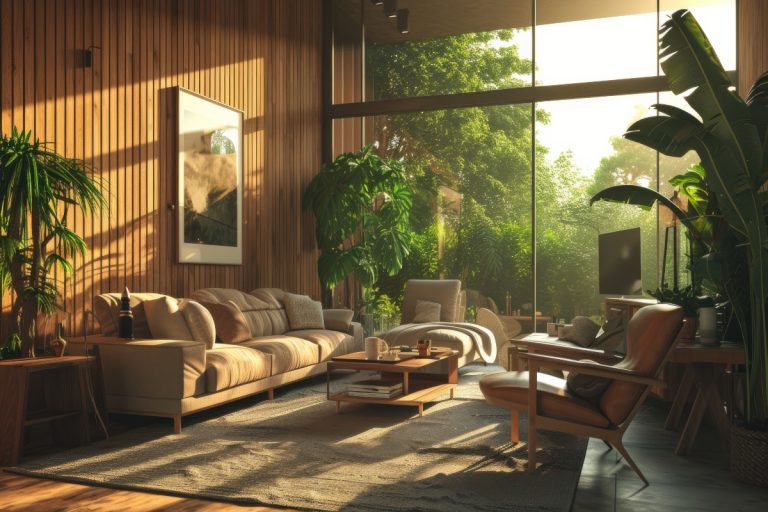
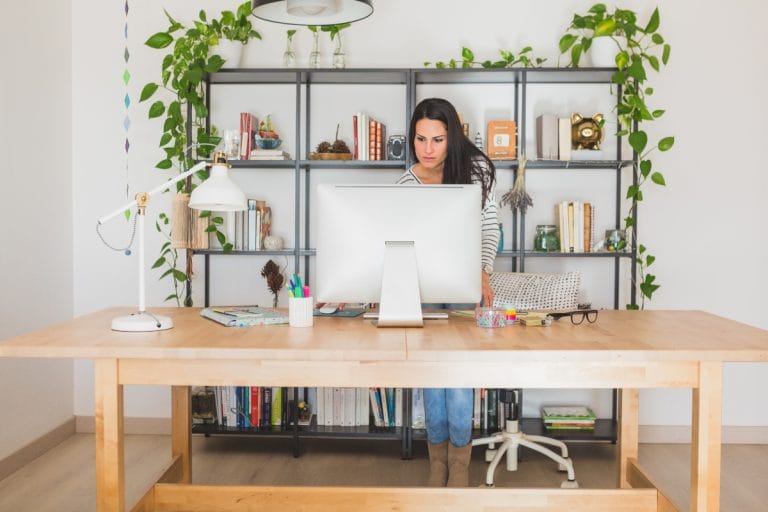
The way we work has fundamentally changed, and so has the importance of thoughtful office interior design in our homes.
At Yolo Interiors, we’ve witnessed firsthand how office interior design boosts productivity when executed with intention and expertise. Over our 30 years of creating award-winning spaces, we’ve learned that a well-designed home office isn’t just about aesthetics; it’s about creating an environment that enhances focus, creativity, and overall work performance.
Many professionals struggle with productivity in their home offices, not realizing that their environment significantly impacts their ability to concentrate and produce quality work. We understand this challenge because we’ve helped hundreds of clients transform underperforming spaces into productivity powerhouses through strategic design decisions.
The relationship between environment and performance is scientifically proven. Research consistently shows that physical surroundings directly influence cognitive function, mood, and motivation. When we apply professional office interior design principles to home workspaces, we create conditions that naturally support better work habits and increased output.
The Psychology Behind Productive Workspaces
Understanding the psychological impact of your environment is crucial for boosting productivity with office interior design. Our brains respond to visual cues, spatial organization, and environmental conditions in ways that either support or hinder our ability to focus and create.
Color psychology plays a fundamental role in interior design. Different colors trigger specific emotional and cognitive responses that can enhance or diminish work performance. Blue tones typically promote focus and mental clarity, making them excellent choices for analytical work areas. Green encourages balance and reduces eye strain during long work sessions. We often incorporate these colors strategically rather than overwhelming spaces with bold statements.
Spatial organization affects mental organization. Cluttered, disorganized spaces create cognitive overload that makes concentration difficult. When we design home offices, we prioritize systems that maintain order naturally, reducing the mental energy required to navigate the workspace.
Natural light exposure regulates circadian rhythms and maintains alertness throughout the day. Positioning workstations to maximize natural light while avoiding glare creates optimal conditions for sustained productivity. We consider sun patterns and seasonal changes when planning workspace layouts.
The principle of environmental psychology suggests that people perform better in spaces that feel personally meaningful while maintaining professional functionality. This balance between comfort and formality helps maintain a work mindset even within the home environment.
Essential Elements of Productive Office Design
Creating a home office that truly supports productivity requires attention to several fundamental design elements. Each component works together to create an environment where focused work feels natural and effortless.
Ergonomic Furniture Selection
Proper seating and desk height prevent physical discomfort that can distract from work tasks. We recommend investing in adjustable chairs that support good posture throughout long work sessions. Desk height should allow arms to rest comfortably while typing, reducing strain on shoulders and wrists.
Standing desk options provide flexibility for movement throughout the day. Alternating between sitting and standing positions improves circulation and maintains energy levels. We often design workstations that accommodate both positions seamlessly.
Monitor positioning significantly impacts both productivity and physical comfort. Screens should sit at eye level to prevent neck strain, positioned at arm’s length to reduce eye fatigue. Multiple monitor setups require careful planning to maintain ergonomic positioning while maximizing screen real estate.
Strategic Storage Solutions
Effective storage systems keep essential items accessible while maintaining visual calm. We design storage that accommodates both daily necessities and occasional materials without creating clutter on work surfaces.
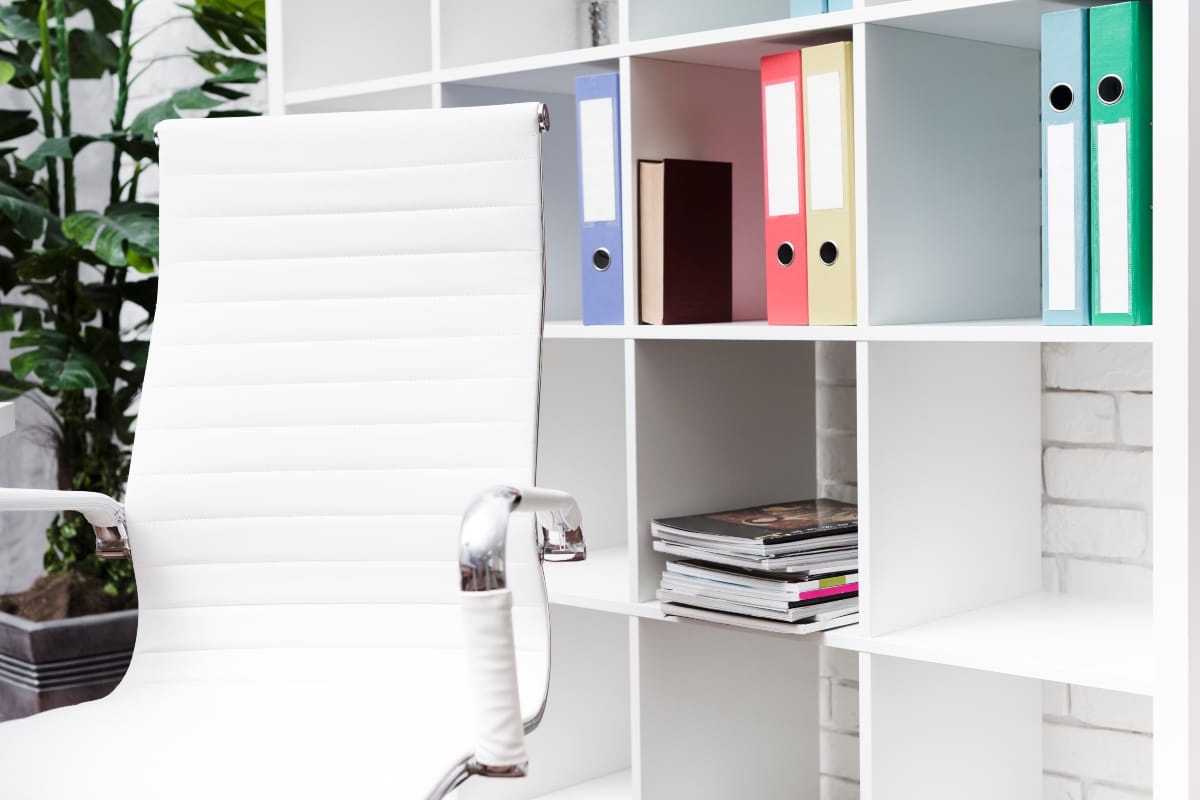
Filing systems should match the way you actually work with documents. Digital professionals might need minimal physical filing, while others require extensive paper organization. Custom storage solutions accommodate specific workflow requirements while maintaining clean aesthetics.
Personal item storage helps maintain the boundary between home and work life. Dedicated spaces for personal belongings prevent work areas from becoming catch-all zones that undermine professional focus.
Lighting Design for Enhanced Focus
Proper interior lighting design is perhaps the most critical factor in office interior design that boosts productivity. Poor lighting causes eye strain, fatigue, and difficulty concentrating, while well-planned illumination supports sustained work performance throughout the day.
Layered Lighting Approach
| Lighting Type | Purpose | Recommended Sources |
|---|---|---|
| Ambient | Overall room illumination | Ceiling fixtures, recessed lights |
| Task | Direct work surface lighting | Desk lamps, under-cabinet strips |
| Accent | Visual interest and depth | Wall sconces, decorative fixtures |
Natural light remains the gold standard for workspace illumination. We position desks to capture morning light while using different window treatments to control glare during peak sun hours. East-facing windows provide excellent morning energy, while north-facing exposures offer consistent, gentle light throughout the day.
Task lighting supplements natural light and provides focused illumination for detailed work. Adjustable desk lamps allow precise control over light direction and intensity. We recommend LED fixtures that offer color temperature adjustment to match circadian rhythms; cooler light for morning focus, warmer tones for afternoon creativity.
Ambient lighting creates overall room comfort and prevents harsh shadows that cause eye strain. Recessed ceiling fixtures or elegant pendant lights provide general illumination without creating glare on computer screens.
Managing Screen Glare
Computer screen glare destroys productivity and causes significant eye fatigue. Positioning monitors perpendicular to windows reduces direct glare while maintaining access to natural light. Anti-glare screen protectors provide additional protection when optimal positioning isn’t possible.
Adjustable custom window treatments allow precise light control throughout the day. We often specify motorized blinds that can be programmed to adjust automatically based on sun position and time of day.
Color Schemes That Enhance Performance
Strategic color selection significantly impacts cognitive function and emotional state in work environments. We approach color psychology scientifically, choosing palettes that support specific types of work while reflecting personal preferences and maintaining visual appeal.
Primary Colors for Productivity
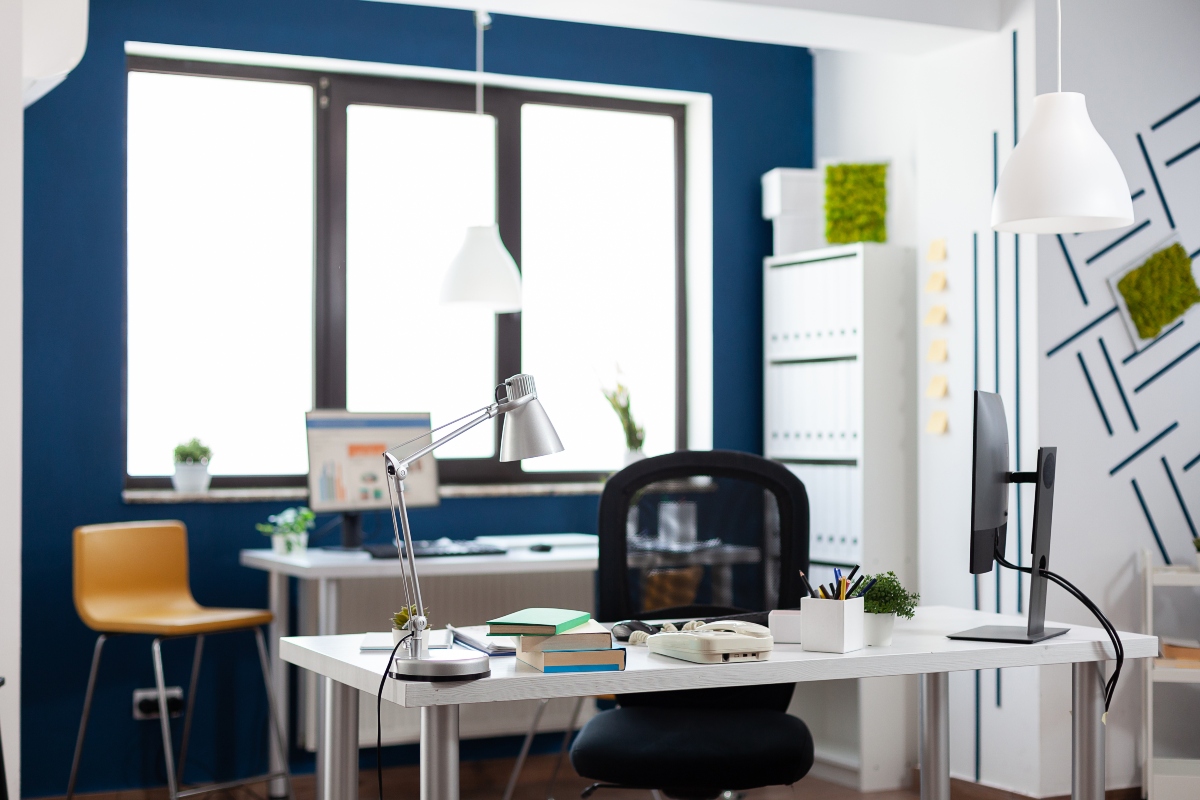
Blue promotes focus and mental clarity, making it ideal for analytical work, financial tasks, and detailed projects. We often incorporate blue through accent walls, artwork, or accessories rather than overwhelming entire spaces.
Green reduces eye strain and promotes balance, particularly beneficial for spaces where extended computer work occurs. Natural green elements like plants provide both color therapy and improved air quality.
Gray creates sophisticated neutrality that doesn’t compete with screen displays or documents. We use various gray tones to create depth and interest while maintaining a professional atmosphere.
White maximizes light reflection and creates feelings of spaciousness, especially important in smaller home offices. Pure white can feel sterile, so we typically warm it with cream or off-white variations.
Colors to Use Sparingly
Red increases energy but can elevate stress levels during extended exposure. We might use red for accent pieces or motivational artwork, but avoid it for primary color schemes.
Yellow stimulates creativity and optimism, but can become overwhelming in large quantities. Small yellow accents can boost mood without creating a distraction.
Dark colors can create cozy focus but may feel oppressive in smaller spaces. We use dark tones strategically for accent walls or furniture pieces rather than entire color schemes.
Technology Integration and Cable Management
Modern home offices require sophisticated technology integration that supports productivity while maintaining clean aesthetics. Boosting productivity with office interior design often means creating seamless relationships between technology and physical space.
Strategic Power Planning
Adequate electrical outlets prevent the need for extension cords and power strips that create visual clutter and safety hazards. We plan outlet placement based on specific equipment requirements and future expansion needs.
USB charging stations integrated into furniture or wall outlets keep devices powered without adding cable clutter. Wireless charging pads built into desk surfaces provide convenient device charging for compatible equipment.
Dedicated circuits for high-power equipment prevent electrical overload and ensure stable power for critical work equipment. This consideration is particularly important for home offices with multiple monitors, printers, and other power-hungry devices.
Cable Management Systems
Hidden cable routing maintains clean aesthetics while providing easy access for equipment changes. We design built-in cable management that routes wires through furniture or wall cavities rather than exposing them on surfaces.
Labeled cable organization prevents confusion during equipment changes or troubleshooting. Simple labeling systems save significant time when technical issues arise.
Flexible cable solutions accommodate changing technology needs without requiring major modifications. Removable cable trays and adjustable routing systems adapt as equipment evolves.
Creating Zones Within Your Home Office
Effective home office design often requires creating distinct zones within a single space to support different types of work activities. This zoning approach maximizes functionality while maintaining visual cohesion throughout the room.
Primary Work Zone
The main desk area should receive priority in terms of lighting, ergonomics, and technology access. This zone handles the majority of daily work tasks and requires the most sophisticated design attention.
Equipment placement in the primary zone should follow workflow logic. Frequently used items stay within arm’s reach, while occasional materials can be stored slightly further away. We map client workflows to optimize tool and supply placement.
Secondary Activity Areas
- Reading and review corner: Comfortable seating with excellent lighting for document review or casual reading
- Video conference space: Dedicated area with proper camera angles and a professional background
- Creative brainstorming zone: Flexible space with writable surfaces or inspiration boards
- Storage and filing area: Organized systems for both active and archived materials
- Personal break space: Small area for brief relaxation or coffee breaks
Each zone requires specific design considerations while contributing to overall room harmony. Careful space planning ensures zones don’t compete with each other or create visual confusion.
Incorporating Natural Elements
Biophilic design principles recognize the human need for connection with nature, even in indoor work environments. We incorporate natural elements strategically to improve air quality, reduce stress, and enhance overall workspace appeal.
Plant Selection for Offices
Low-maintenance plants work best in office environments where consistent care might be challenging. Snake plants, pothos, and ZZ plants tolerate various light conditions and irregular watering schedules.
Air-purifying plants provide functional benefits beyond aesthetics. NASA research identifies specific plants that remove common indoor air pollutants, improving overall air quality in enclosed spaces.
Plant placement should enhance rather than obstruct work activities. We position plants where they receive adequate light without interfering with technology or workflow patterns.
Natural Materials and Textures
Wood furniture and accents bring warmth and natural texture to office spaces. We select wood finishes that complement overall color schemes while providing tactile variety.
Stone or ceramic elements add grounding, natural elements without requiring maintenance. Small stone accessories or ceramic planters introduce natural textures easily.
Natural fiber textiles in rugs, window treatments, or upholstery soften hard surfaces and improve acoustic comfort. These materials also provide opportunities to introduce subtle color and pattern variations.
Personalizing Your Professional Space
Balancing personal comfort with professional appearance requires thoughtful curation of decorative elements and personal items. The goal is to create a space that feels personally meaningful while maintaining credibility during video calls and client interactions.
Meaningful Artwork and Decor
Personal artwork or photography can provide inspiration and emotional connection without compromising professional appearance. We help clients select pieces that reflect their personality while maintaining appropriate scale and subject matter.
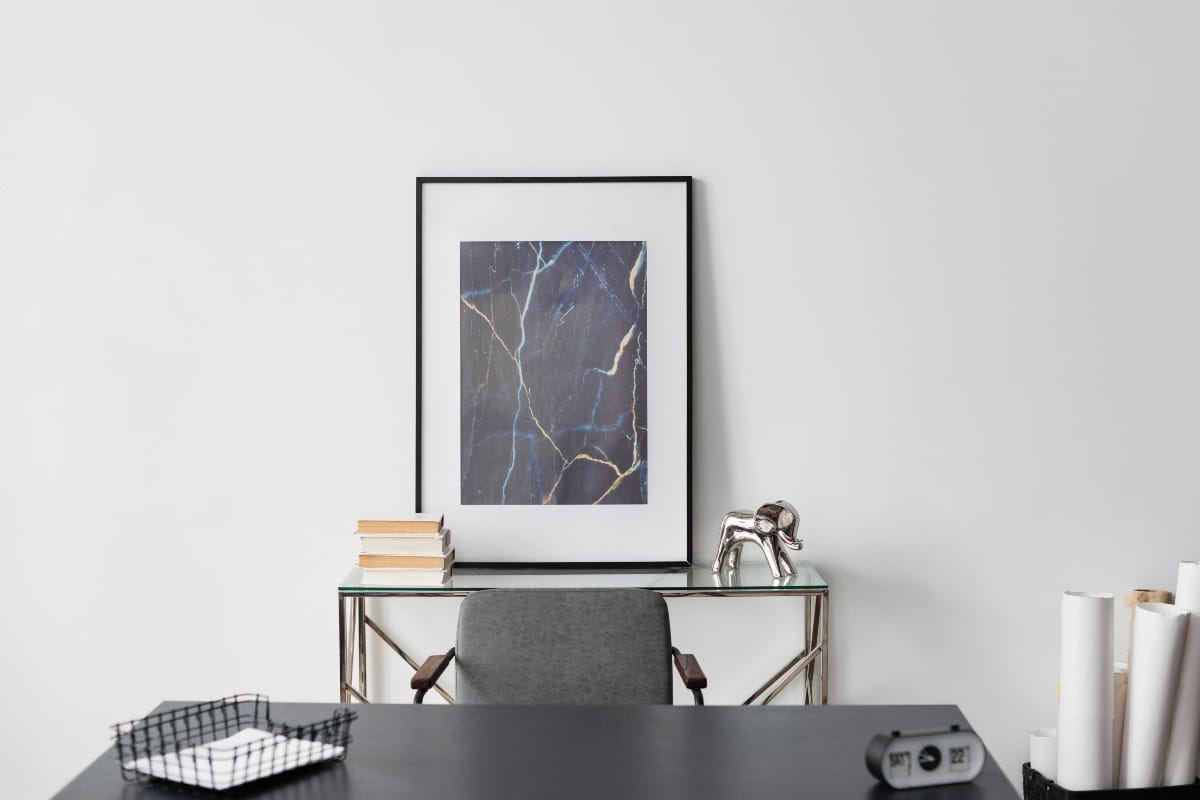
Achievement displays like awards, diplomas, or professional recognition can enhance credibility when positioned tastefully. These items work best when integrated into the overall design rather than simply hung on walls.
Inspirational elements like meaningful quotes or vision boards can boost motivation when designed as intentional decor rather than temporary additions.
Maintaining Professional Boundaries
Video conference backgrounds require special consideration in home office design. We often position desks so professional backgrounds appear naturally in camera range, reducing reliance on virtual backgrounds.
Personal items should enhance rather than distract from work focus. Family photos or personal collections work best when displayed in designated areas rather than scattered throughout work surfaces.
Budget-Conscious Productivity Improvements
Office interior design improvements don’t require complete room renovations to achieve significant productivity benefits. We often recommend phased approaches that deliver immediate improvements while building toward comprehensive design goals.
High-impact, low-cost changes:
- Improved task lighting through quality desk lamps
- Ergonomic chair upgrades or cushion additions
- Strategic paint color changes for psychological benefits
- Organized storage systems using affordable containers
- Cable management solutions to reduce visual clutter
Medium investment improvements:
- Custom storage solutions for specific workflow needs
- Window treatment upgrades for better light control
- Air quality improvements through plants or purifiers
- Acoustic treatments for better concentration
- Technology upgrades that streamline daily tasks
Long-term investment priorities:
- Built-in storage and organization systems
- Comprehensive lighting design with multiple sources
- High-quality ergonomic furniture
- Electrical system upgrades for technology needs
- Flooring or wall treatments that enhance acoustics
Measuring Productivity Improvements
Tracking productivity changes after design improvements helps justify investments and identify the most effective modifications. We encourage clients to establish baseline measurements before implementing changes.
Quantitative metrics: daily task completion rates, time spent on specific project types, break frequency and duration, end-of-day energy levels, sleep quality, and work-life balance.
Qualitative Assessments: overall satisfaction with work environment, stress levels during challenging projects, motivation and enthusiasm for work tasks, comfort during extended work sessions, and professional confidence during video calls.
Regular assessment helps identify which design elements provide the most significant benefits, informing future improvement decisions and investment priorities.
Final Remarks
Boosting productivity with office interior design requires understanding the complex relationships between environment, psychology, and work performance.
At Yolo Interiors, we’ve seen countless professionals transform their work experience through thoughtful design decisions that support both immediate productivity and long-term career success.
When you invest in professional interior design, you’re not just improving your space; you’re investing in your professional potential and daily quality of life.
Ready to unlock your workspace’s productivity potential? Contact us today to begin your transformation with our expert team and experience how thoughtful design can elevate your daily work life.